Get Ductwork Replacement
Ductwork replacement services help property owners address damaged or outdated air duct systems, typically involving removal and installation of new ducts to improve airflow and indoor comfort.
If you’re considering ductwork replacement, you’re in the right place to explore options and gather information. Property owners in the area often look into replacing their duct systems to improve indoor air quality, enhance energy efficiency, or prepare for home renovations. Understanding the practical reasons behind this work can help determine if it’s a worthwhile step for your property, whether to address aging infrastructure or to optimize existing systems for better performance.
This page connects you with local contractors who specialize in ductwork replacement services. Comparing different service providers can help identify experienced professionals capable of handling the job effectively. Keep reading to learn more about the process and how to find the right local experts to meet your property’s needs.
- Old ductwork replacement - needed when existing ducts are outdated, damaged, or no longer efficient.
- Leaking duct systems - required if there are signs of air leaks or inconsistent heating and cooling.
- Upgrading ductwork for better airflow - necessary when experiencing uneven temperatures or poor air distribution.
- Replacing ductwork after renovations - needed to ensure the new space has proper ventilation and climate control.
- Corroded or moldy duct systems - essential to address when ductwork shows signs of deterioration or contamination.
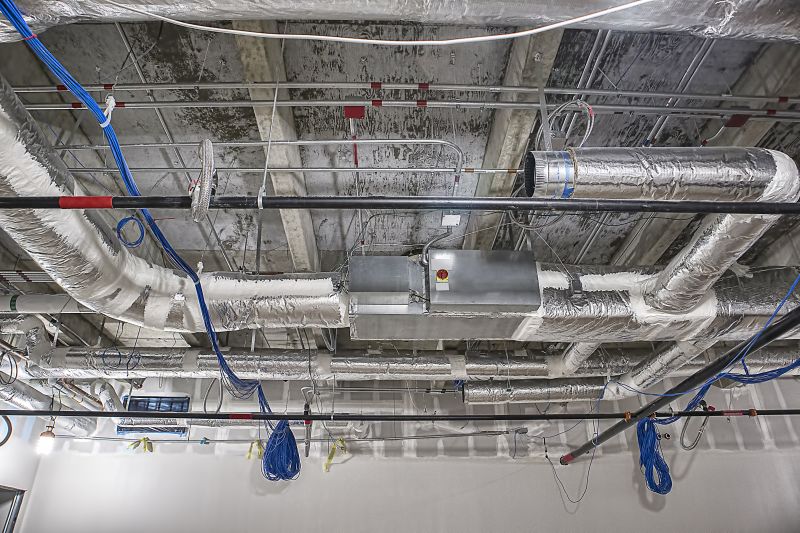
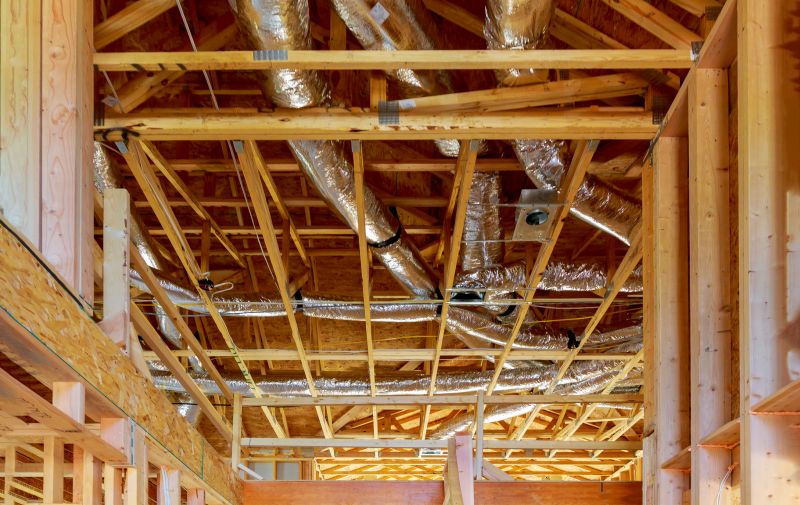
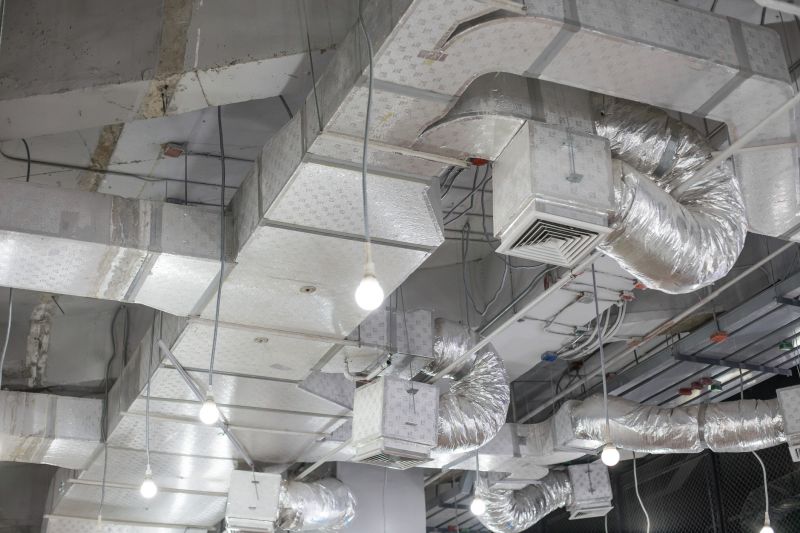
Ductwork replacement services involve removing old, damaged, or inefficient duct systems and installing new ducts to improve the airflow and overall performance of a building’s heating and cooling system. This process typically includes inspecting existing ductwork, removing any compromised sections, and installing new ducts that are properly sealed and insulated. The goal is to ensure that conditioned air flows smoothly throughout the property, helping to create a more comfortable indoor environment and potentially reducing energy waste caused by leaks or poor insulation.
Many problems can signal the need for ductwork replacement, including uneven heating or cooling, excessive dust or debris in the air, increased energy bills, and noticeable indoor air quality issues. Over time, ducts can develop leaks, cracks, or become clogged with debris, which diminishes system efficiency. Ducts that are improperly installed or made from outdated materials may also contribute to higher energy consumption and reduced comfort. Replacing aging or damaged ductwork can address these issues, ensuring the HVAC system operates more effectively and reliably.
Ductwork replacement services are commonly used in residential properties, including single-family homes and multi-unit buildings, as well as in commercial spaces like offices, retail stores, and restaurants. Homes with aging duct systems, visible damage, or those undergoing renovations often benefit from a duct replacement. Additionally, properties experiencing persistent indoor air quality problems or uneven temperature distribution may find that replacing their ducts provides a practical solution to improve comfort and system efficiency.
Choosing to work with local contractors for ductwork replacement ensures that the work is handled by professionals familiar with the specific needs of properties in the area. These service providers can assess existing duct systems, recommend suitable replacement options, and perform the installation to meet the property’s requirements. Contacting local pros can help homeowners find experienced specialists capable of delivering quality ductwork replacement tailored to their property’s size, layout, and unique challenges.
The overview below groups typical Ductwork Replacement projects into broad ranges so you can see how smaller, mid-sized, and larger jobs often compare in your area.
In many markets, a large share of routine jobs stays in the lower and middle ranges, while only a smaller percentage of projects moves into the highest bands when the work is more complex or site conditions are harder than average.
Smaller Repairs - typical costs for minor ductwork repairs or sealing range from $250 to $600. Many routine jobs fall within this middle range, depending on the extent of the work needed.
Partial Replacement - replacing sections of ductwork usually costs between $1,000 and $3,000. Larger, more complex projects can reach higher prices but are less common.
Full Duct System Replacement - complete replacement of an entire duct system typically ranges from $3,500 to $7,500. Most projects in this category tend to fall within the middle to upper part of this range.
Large or Custom Projects - extensive or specialized ductwork installations can cost $7,500 or more. These projects are less frequent and usually involve complex layouts or high-performance systems.
Actual totals will depend on details like access to the work area, the scope of the project, and the materials selected, so use these as general starting points rather than exact figures.
Air Duct Cleaning - professionals who specialize in cleaning and maintaining duct systems often use similar tools and planning skills as ductwork replacement to ensure proper airflow and indoor air quality.
HVAC System Installation - installing heating, ventilation, and air conditioning units requires knowledge of duct layouts and airflow, aligning with the skills needed for ductwork replacement projects.
Ventilation System Upgrades - upgrading or installing new ventilation systems involves planning and installing ductwork, making it closely related to duct replacement services.
Commercial Ductwork Installation - setting up duct systems in commercial buildings requires similar planning and technical skills as residential ductwork replacement, with an emphasis on larger scale projects.
Attic Insulation Installation - while primarily focused on insulation, this work often involves accessing and modifying ductwork for improved energy efficiency, requiring similar planning skills.
Air Quality System Installation - installing air filtration and purification systems often involves integrating with existing ductwork, requiring knowledge of duct layouts and system planning.
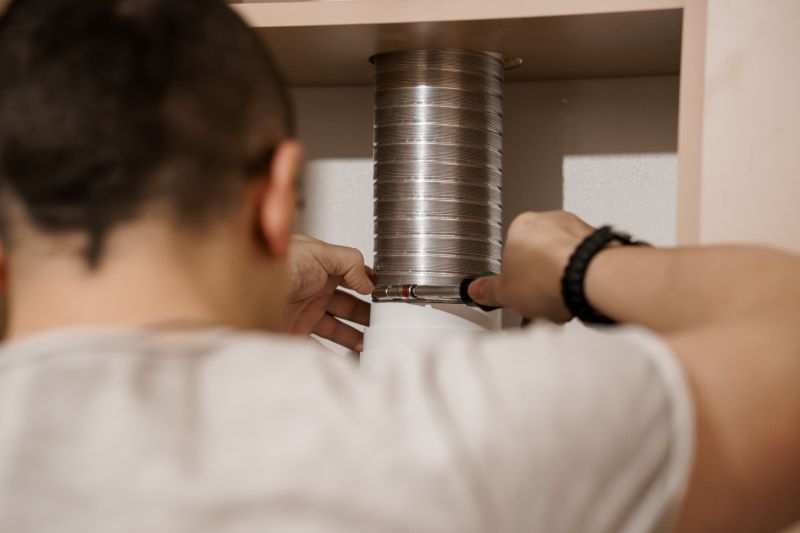
When evaluating local contractors for ductwork replacement, it’s important to consider their experience with similar projects. Homeowners should look for service providers who have a proven track record of handling ductwork replacements in homes comparable to their own. An experienced contractor will be familiar with common challenges and best practices, helping ensure the job is completed efficiently and effectively. Gathering details about past work can provide insight into their expertise and help determine if they have the relevant background to meet specific project needs.
Clear, written expectations are essential when comparing local pros. Homeowners should seek service providers who can provide detailed estimates and scope of work agreements that outline what will be done, the materials used, and any other relevant details. Having this information in writing helps prevent misunderstandings and ensures everyone is on the same page regarding the project’s scope. Good communication from the outset can also make the process smoother, allowing homeowners to ask questions and clarify concerns before work begins.
Reputable references and strong communication are key factors in choosing the right local contractor. Homeowners are encouraged to ask for references from previous clients or look for reviews that speak to the contractor’s reliability and quality of work. Effective communication throughout the project is also vital; service providers who are responsive and transparent can help ensure the project progresses smoothly and that any issues are addressed promptly. Keep in mind that the site serves as a resource to connect homeowners with local options, not as a provider of the work itself.
Property owners use Ductwork Replacement services for practical projects around their homes and businesses. This guide focuses on everyday jobs and straightforward project options.
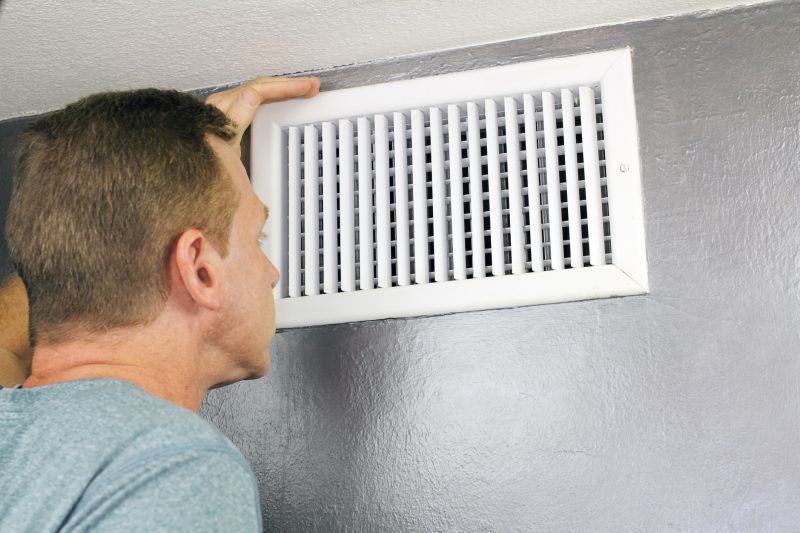
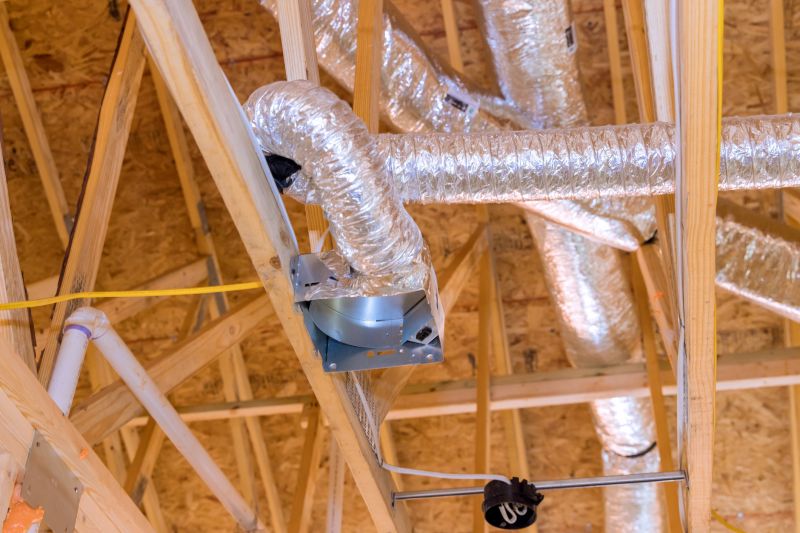
Ductwork replacement is a common project for property owners experiencing issues with indoor air quality, uneven heating or cooling, or increased energy bills. Over time, ducts can become damaged, leaky, or inefficient, leading to reduced system performance and higher costs. Local contractors specializing in ductwork services can assess the condition of existing systems and recommend appropriate solutions to improve airflow and efficiency throughout the property.
Homeowners and business owners might also seek ductwork replacement when upgrading their HVAC systems or renovating their spaces. Outdated or deteriorated duct systems can hinder new equipment from operating at peak performance, making replacement a practical step to ensure optimal comfort and energy savings. Service providers in the area are available to handle these projects, providing professional installation and ensuring the ductwork meets the specific needs of each property.
When should ductwork be replaced instead of repaired? Ductwork should be replaced when it shows signs of extensive damage, such as large holes, severe corrosion, or persistent leaks that cannot be effectively repaired.
How can I tell if my ductwork needs replacement? Indicators include reduced airflow, uneven heating or cooling, excessive dust, or visible damage like cracks and rust in the duct system.
What are the benefits of replacing old ductwork? Replacing outdated ductwork can improve indoor air quality, enhance system efficiency, and help maintain consistent temperatures throughout a space.
Are there different types of ductwork materials available for replacement? Yes, local contractors typically offer various materials such as flexible ducts, sheet metal, or fiberglass-lined ducts to suit different needs.
How do local service providers handle ductwork replacement projects? Experienced contractors assess the existing system, remove damaged ducts, and install new ductwork to ensure proper airflow and system performance.
Improve indoor air quality - replacing old or damaged ductwork can help ensure cleaner and healthier air circulation throughout a property.
Upgrade heating and cooling efficiency - installing new ductwork can optimize the distribution of conditioned air, leading to more consistent temperatures.
Address duct leaks or damage - repairing or replacing compromised duct systems can prevent energy loss and reduce utility bills.
Prepare for a remodel or renovation - replacing ductwork can be part of updating a property's HVAC system during major interior improvements.
If you are thinking about Ductwork Replacement for a property, this guide is meant to help you understand the work, the typical project types, and how different options might fit your plans.
When you are ready, you can use the quote form on this page to share a few details about your project. From there, local pros can review the basics and respond with options that match what you have in mind.